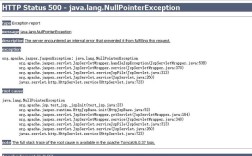
在处理计算机编程问题时,尤其是涉及Java开发时,.tobean方法的报错可能源于多种原因,本文将全面解析这一问题,并提供解决方案和相关FAQs。
问题
.tobean方法通常用于将一个对象转换为另一个类型的Bean对象,这种转换通常涉及到反射机制和数据绑定技术,在实际应用中,可能会遇到各种错误,如类型不匹配、属性缺失、依赖注入失败等。
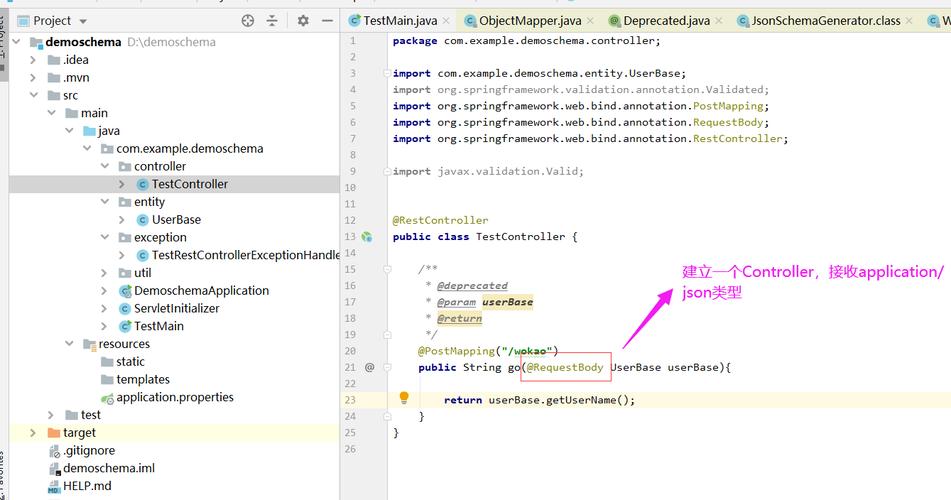
(图片来源网络,侵权删除)
常见错误及解决方案
1. 类型不匹配
描述: 源对象与目标Bean对象的类型不兼容。
解决方案:
检查类型: 确保源对象和目标Bean对象的类型一致或兼容。
使用适配器: 如果类型不兼容,可以考虑编写适配器进行类型转换。
public class MyAdapter {
    public static TargetBean adapt(SourceObject source) {
        TargetBean target = new TargetBean();
        target.setProperty(source.getProperty());
        return target;
    }
}
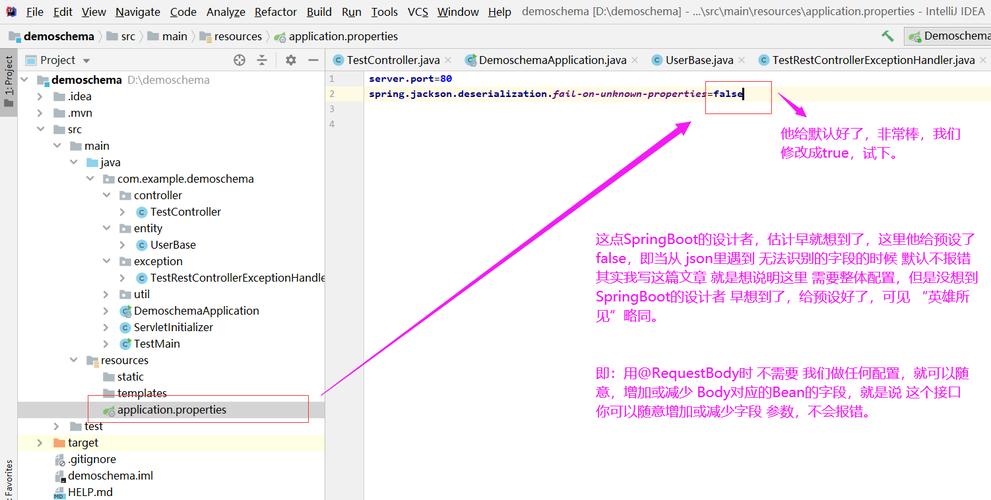
2. 属性缺失
(图片来源网络,侵权删除)
描述: 源对象缺少目标Bean对象所需的属性。
解决方案:
默认值: 为目标Bean对象设置默认值,以防止属性缺失导致的错误。
可选属性: 在映射过程中,确保只映射必要的属性。
public class MyMapper {
    public TargetBean map(SourceObject source) {
        TargetBean target = new TargetBean();
        if (source.getProperty() != null) {
            target.setProperty(source.getProperty());
        } else {
            target.setProperty("default_value");
        }
        return target;
    }
}
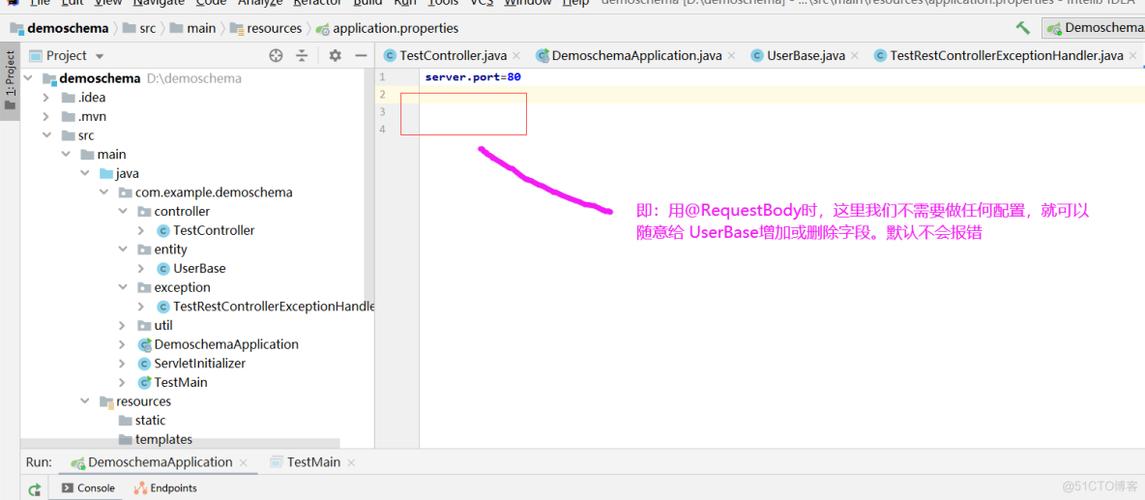
3. 依赖注入失败
描述: 在Bean对象初始化过程中,依赖注入失败。
(图片来源网络,侵权删除)
解决方案:
检查依赖关系: 确保所有依赖项都已正确配置。
使用构造函数注入: 使用构造函数注入代替setter注入,以确保依赖项在对象创建时即被注入。
public class MyService {
    private final MyRepository repository;
    @Inject
    public MyService(MyRepository repository) {
        this.repository = repository;
    }
}
示例代码
以下是一个简化的示例,展示了如何使用.tobean方法进行对象转换:
import java.lang.reflect.Method;
public class BeanConverter {
    public static <T> T toBean(Object source, Class<T> targetType) throws Exception {
        T target = targetType.newInstance();
        for (Method method : targetType.getMethods()) {
            if (method.getName().startsWith("set")) {
                String propertyName = method.getName().substring(3);
                Method getter = source.getClass().getMethod("get" + propertyName);
                Object value = getter.invoke(source);
                method.invoke(target, value);
            }
        }
        return target;
    }
}
FAQs
Q1:.tobean方法报错的原因有哪些?
A1:.tobean方法报错的原因可能包括类型不匹配、属性缺失、依赖注入失败等,具体原因需要根据错误信息和上下文进行分析。
Q2: 如何解决.tobean方法报错的问题?
A2: 解决.tobean方法报错的问题的方法包括检查类型兼容性、设置默认值、检查依赖关系等,具体解决方案需要根据具体问题进行调整。
通过以上分析,我们可以看到,解决.tobean方法报错的问题需要综合考虑多种因素,并采取相应的措施,希望本文能为您提供有价值的参考。